Table of Contents
ToggleINTRODUCTION
Let’s be honest. When was the last time you gave your liver a second thought?
We praise our hearts for pumping, our lungs for breathing, and our brains for thinking. But our liver? This silent, hardworking organ toils away 24/7, detoxifying our blood, processing nutrients, and managing our energy. It asks for nothing in return—until it can’t take it anymore.
That dull ache in your right side, the unexplained fatigue that coffee can’t fix, the brain fog that rolls in like a stubborn mist… these might be your liver whispering, and then eventually shouting, for attention. Often, the diagnosis is Fatty Liver Disease.
If you’ve just been diagnosed, or are worried you might be at risk, take a deep breath. This isn’t a scare tactic. This is a compassionate, human-to-human guide to understanding what’s happening inside your body and, more importantly, how you can help it heal. We’ll also explore how modern tools, like AI, can become your personal health ally in this journey.
What Exactly Is Fatty Liver? (In Simple Terms)
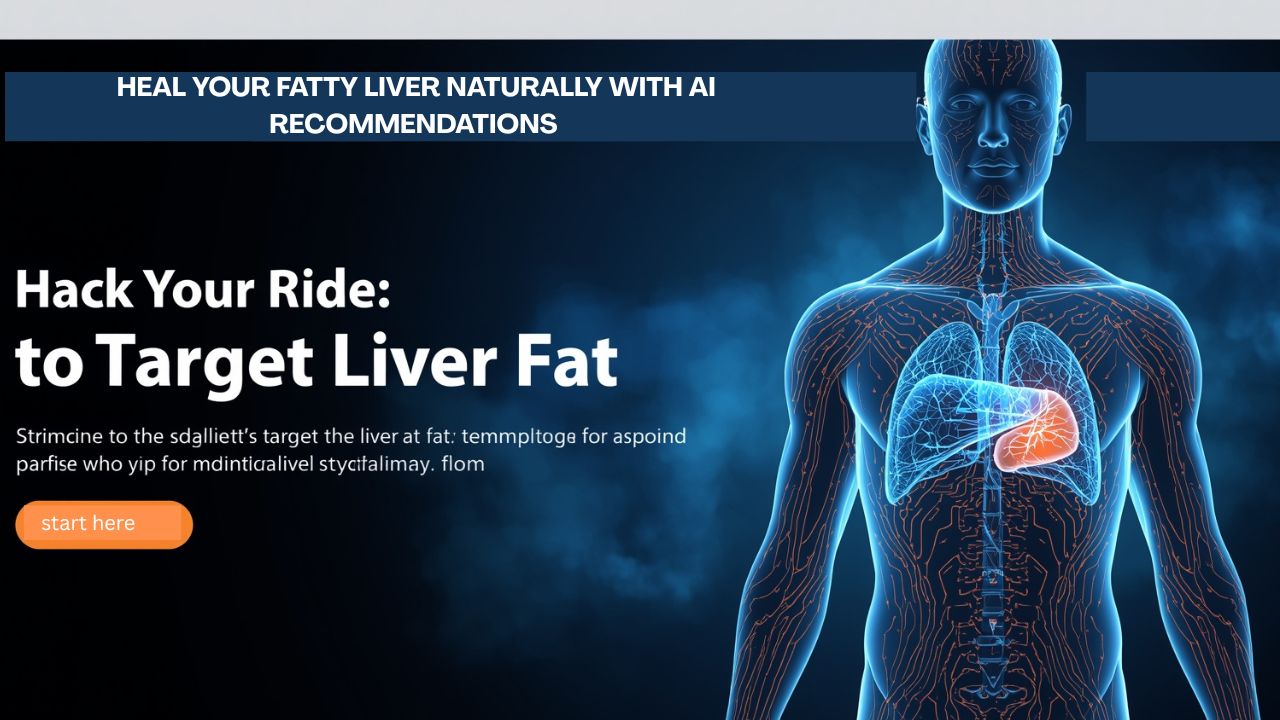
Imagine your liver is a sophisticated, biological filter. Now, imagine that filter slowly getting clogged with droplets of fat. That’s essentially what Non-Alcoholic Fatty Liver Disease (NAFLD) is—an accumulation of excess fat in liver cells that isn’t caused by alcohol.
In its early stages (simple fatty liver, or steatosis), it’s often reversible. But if ignored, the inflammation can lead to something more serious called Non-Alcoholic Steatohepatitis (NASH), which can cause scarring (fibrosis), eventually leading to cirrhosis or even liver failure.
The scariest part? It’s often a “silent” disease with no obvious symptoms initially. It’s frequently discovered through routine blood tests that show elevated liver enzymes.
Why Did This Happen to Me? The Common Threads
It’s easy to feel guilty or confused. Please don’t. Fatty liver is less about a single mistake and more about a pattern—a modern lifestyle pattern that our bodies weren’t designed for.
The Sugar & Carb Overload: Our diets are flooded with processed sugars (especially high-fructose corn syrup in sodas and juices) and refined carbohydrates (white bread, pasta, pastries). The liver gets overwhelmed converting all this sugar into energy and stores the excess as fat, right inside itself.
Sedentary Lifestyle: We sit more than we move. Without regular activity, our bodies don’t burn the energy we consume, making it easier for fat to accumulate.
Insulin Resistance: This is a key player. When your cells stop responding well to the hormone insulin, your pancreas produces more of it. High insulin levels tell your body to store fat, making weight loss difficult and directly contributing to fat deposition in the liver.
The good news? Because lifestyle is the primary cause, lifestyle is the cure.
The Human Touch: How to Reduce Fatty Liver, One Step at a Time
Reversing fatty liver isn’t about a magical pill. It’s about consistent, sustainable choices. Think of it as nurturing your liver back to health.
1. The Food-as-Medicine Approach:
Ditch the Sugary Villains: This is the #1 rule. Eliminate sugary sodas, fruit juices, sweetened teas, and coffees. Read labels—sugar hides everywhere.
Embrace the Fiber Heroes: Load up on vegetables, especially leafy greens (spinach, kale), cruciferous veggies (broccoli, cauliflower), and colorful options (bell peppers, berries). They’re packed with antioxidants and fiber.
Choose Smart Carbs: Swap refined grains for whole grains like quinoa, oats, and farro, or better yet, focus on getting carbs from vegetables and legumes.
Prioritize Healthy Fats: Avocados, nuts, seeds, and olive oil are your friends. They help with inflammation and satiety.
Lean Protein is Key: Incorporate fatty fish (like salmon and mackerel for their omega-3s), chicken, turkey, and plant-based proteins like lentils and tofu.
2. Move Your Body, Heal Your Liver:
Exercise isn’t just for weight loss; it directly improves liver health by reducing insulin resistance and burning triglycerides for fuel.
Aim for Consistency: You don’t need to run a marathon. A brisk 30-minute walk, 5 days a week, is a powerful start.
Mix It Up: Combine aerobic exercises (walking, cycling, swimming) with some strength training (bodyweight exercises, resistance bands). Building muscle helps your body metabolize sugar more efficiently.
3. The Weight Loss Goal (But Be Kind):
Losing just 5-10% of your body weight can dramatically reduce liver fat and even reverse inflammation. If you weigh 200 lbs, that’s a loss of 10-20 lbs. This is a marathon, not a sprint. Focus on the process (healthy eating and moving) and the results will follow.
The Future is Now: How AI Can Be Your Health Coach
This is where technology meets humanity. You’re not alone in this. Artificial Intelligence has evolved from a sci-fi concept into a practical tool that can offer hyper-personalized support. Here’s how you can leverage it:
1. AI-Powered Nutrition Trackers:
Apps like MyFiber or Foodvisor don’t just count calories. Using image recognition, they can analyze your meal from a photo, estimating portions and nutrient breakdown. This can help you see your sugar and carb intake in real-time, making you more mindful without the hassle of manual logging.
AI Recommendation: “Noticed your lunch was low in fiber? Based on your preferences, how about adding a side of roasted broccoli or a handful of berries to your next meal to help manage blood sugar spikes?”
2. Personalized Fitness Adapters:
Apps like Freeletics or Future use AI to create adaptive workout plans. They learn from your feedback (too easy, too hard, knee pain) and adjust your next week’s regimen accordingly. This keeps you challenged but prevents burnout, which is crucial for long-term adherence.
AI Recommendation: “I see you skipped your last two high-intensity sessions. Your fatigue levels might be high. Let’s switch this week’s plan to lower-impact cardio and yoga to aid recovery while keeping you on track.”
3. Predictive Habit Coaching:
Platforms like Noom use behavioral psychology, often powered by AI algorithms, to understand your patterns. They can predict when you’re most likely to snack mindlessly or skip a workout and send you a timely, encouraging nudge.
AI Recommendation: “You usually crave something sweet around 3 PM on weekdays. Remember your goal! I’ve sent a healthy recipe for a chia seed pudding to your inbox. You’ve got this.”
4. AI-Analyzed Lab Results:
Tools are emerging that allow you to upload your blood test results. AI can track trends in your liver enzymes (ALT, AST) over time, correlating them with your logged food and exercise data to give you insights no single doctor’s appointment could.
AI Recommendation: “Your ALT levels have decreased by 15% since last quarter. This strongly correlates with your reduced soda intake. Keep going!”
A Final, Human Word
Your journey with fatty liver is deeply personal. It’s fraught with frustration, but also immense hope. You have the power to change the narrative.
Technology, like AI, is a fantastic tool—a compass and a coach. But the journey itself is human. It’s in the choice to drink water instead of soda. It’s in the feeling of vitality after a walk in the fresh air. It’s in the quiet pride of nurturing your body back to health.
Listen to your liver’ whispers. With patience, consistency, and a little help from modern science, you can help it sing a song of health again.
Disclaimer
This article is for informational purposes only and does not constitute medical advice. Always consult with a healthcare professional before making any significant changes to your diet, exercise routine, or medication.
FAQ
Q1: I was just diagnosed with fatty liver and I don’t drink alcohol. How is this possible?
This is a very common and understandable question. The type of fatty liver disease most people have is called Non-Alcoholic Fatty Liver Disease (NAFLD). It’s primarily driven by modern lifestyle factors, not alcohol. The main culprits are:
Diets high in processed sugars and refined carbs: These force your liver to convert excess sugar into fat, which it stores internally.
Insulin resistance: When your body doesn’t use insulin well, it promotes fat storage throughout the body, including the liver.
Sedentary lifestyle: A lack of physical activity means you’re not burning the energy you consume.
Think of it as a metabolic issue, not a moral failing. The body is simply overwhelmed by the fuel it’s being given.
Q2: Are there any obvious symptoms I should look out for?
In its early stages, fatty liver is often a “silent” condition with no clear symptoms. This is why it can be surprising when it shows up on a blood test. As it progresses, some people may experience:
Persistent, unexplained fatigue and low energy
A dull ache or feeling of fullness in the upper right part of the abdomen
General malaise or feeling unwell
Because symptoms are vague, it’s crucial to get regular check-ups if you have risk factors like obesity, type 2 diabetes, or high cholesterol.
Q3: Is fatty liver disease reversible?
Yes, in its early stages, it is highly reversible. The liver is an incredibly resilient organ with a remarkable ability to regenerate. The key is to act before significant scarring (cirrhosis) occurs. By making sustained lifestyle changes—focusing on weight loss, a healthy diet, and exercise—you can reduce liver fat and inflammation, effectively reversing the condition.
Q4: What’s the single most important thing I can do to start helping my liver?
If we had to pick one, it would be: Eliminate sugary drinks.
This includes soda, sweetened coffee drinks, fruit juices, and sports drinks. Liquid sugar, especially high-fructose corn syrup, is processed directly by the liver and is a primary driver of fat accumulation. Switching to water, herbal tea, or black coffee is the most impactful first step you can take.
Q5: How does AI actually help? Isn’t it just another app?
Think of AI not as just an app, but as a personalized health assistant. Unlike a static blog or generic plan, AI can:
Learn from You: It analyzes your logged meals and activities to find patterns unique to you.
Adapt to You: It can adjust recommendations based on your feedback, energy levels, and progress, preventing burnout.
Predict for You: It can identify your personal triggers (e.g., afternoon slumps, weekend cravings) and send you a supportive nudge before you need it.
It turns generic advice into a custom-fit plan for your life.
Q6: I need to lose weight, but diets always fail me. What’s a kinder approach?
Shift your focus from “dieting” to “building healthier habits.”
Instead of drastic restrictions, try adding good things in:
“This week, I’ll add one vegetable to my lunch every day.”
“I’ll replace my afternoon cookie with a handful of nuts and an apple.”
“I’ll take a 10-minute walk after dinner.”
Small, sustainable wins build confidence and compound into significant change. Be patient and kind to yourself. This is a marathon, not a sprint.
Q7: Are there any specific foods I should eat more of?
Absolutely. Focus on whole, unprocessed foods:
Leafy Greens: Spinach, kale, arugula (they contain antioxidants that protect the liver).
Cruciferous Vegetables: Broccoli, cauliflower, Brussels sprouts (they help with detoxification pathways).
Fatty Fish: Salmon, mackerel, sardines (rich in anti-inflammatory omega-3s).
Coffee: Studies show coffee is linked to reduced liver inflammation and fibrosis. (Just skip the sugar and cream!)
Walnuts & Sunflower Seeds: Great sources of healthy fats and vitamin E.
Q8: How long will it take to see improvements?
This varies for everyone, but you can often see improvements in blood liver enzyme levels (like ALT and AST) within a few months of consistent lifestyle change. An ultrasound might show visible reduction in fat over 6 months to a year. The most important thing is consistency. Celebrate non-scale victories like having more energy, clearer thinking, and clothes fitting better.
Remember: You are not alone in this. Many people are on this same journey. Every healthy choice is a act of kindness toward your liver and your future self.
About the Author