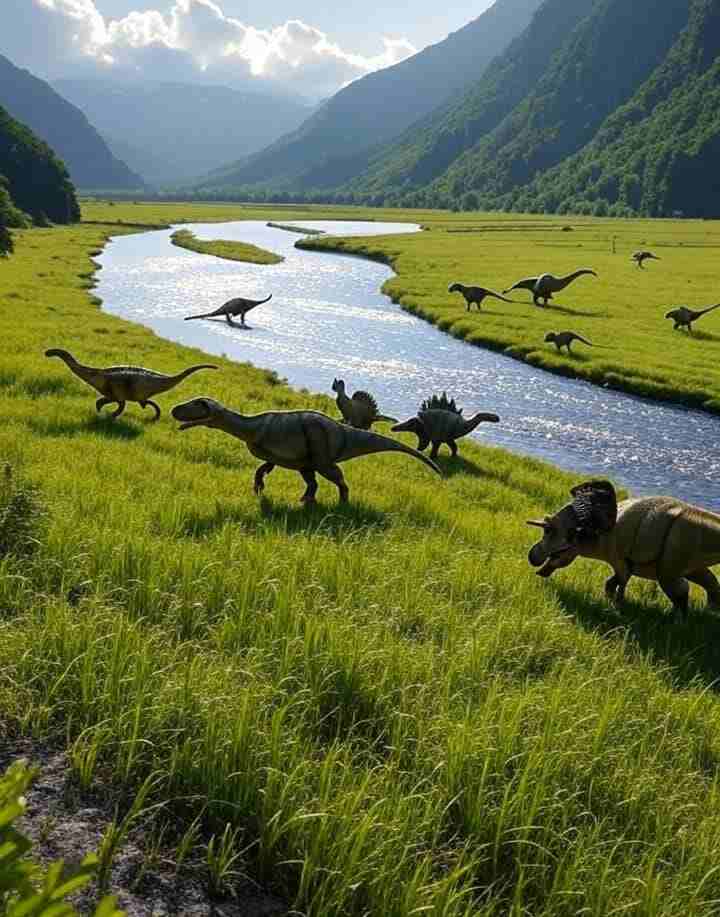
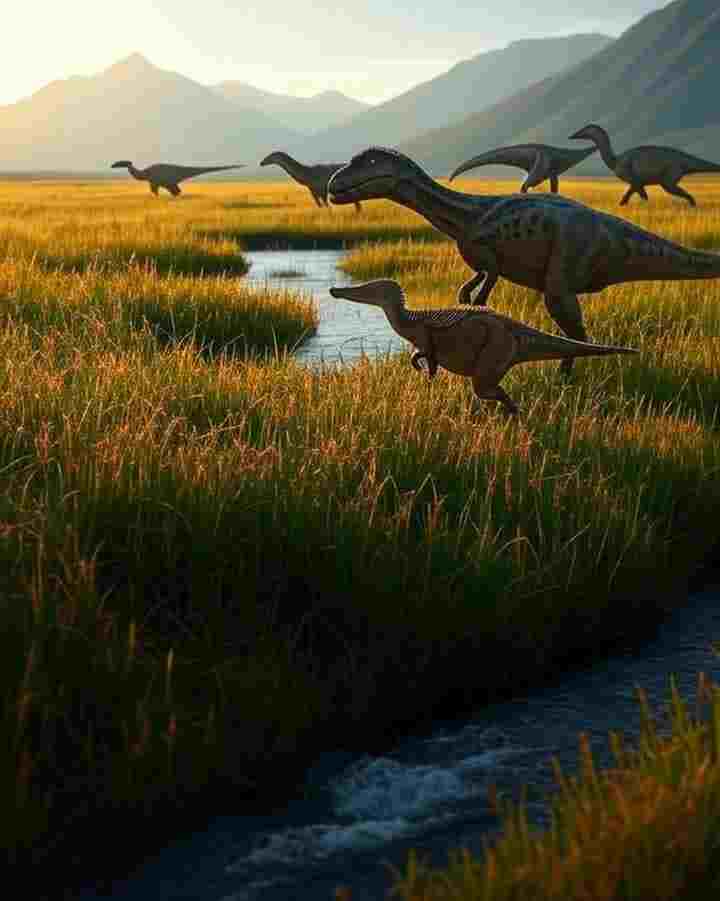
For more than 160 million years, dinosaurs dominated the planet, developing into a wide variety of species with distinct eating patterns, feeding patterns, and dental anatomy. The dietary requirements of these ancient giants varied greatly, ranging from the imposing Tyrannosaurus rex to the docile Brachiosaurus. However, what did dinosaurs consume? What was their daily caloric intake? What was their tooth count?
This blog will examine:
Diets of Herbivores, Carnivores, and Omnivores in Dinosaurs
Dinosaurs’ Calorie Consumption
What was the number of teeth in dinosaurs?
Let’s go back in time and discover what these amazing animals ate!
Dinosaur Diets: Herbivores, Carnivores, and Omnivores
Like animals today, dinosaurs ate a variety of foods. We can infer information about their diet from their fossilized stomach contents (known as coprolites), teeth, and jaw structure.
A. Plant-Eaters, or herbivorous dinosaurs Most dinosaurs were herbivores. They consumed early flowering plants, conifers, ferns, and cycads. While some swallowed stones (gastroliths) to aid in food digestion, others had specialized teeth for crushing tough vegetation.
For instance:
The Brachiosaurus was a long-necked sauropod that consumed up to 400 pounds of plants every day.
Triceratops are horned dinosaurs that can cut tough plants with their beaks and shearing teeth.
Stegosaurus: Relies on gastroliths and feeds on low-growing vegetation with weak teeth.
Interesting fact: Hadrosaurs and other herbivores had hundreds of teeth that kept growing back on their own!
Carnivorous Dinosaurs (Meat-Eaters)
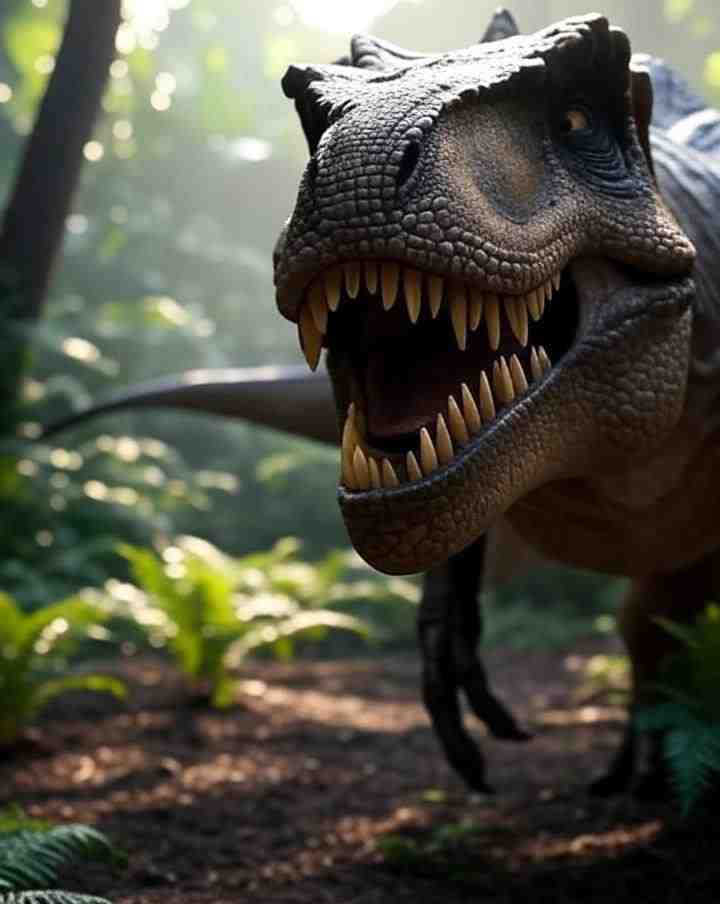
As apex predators, carnivorous dinosaurs hunted reptiles, early mammals, and other dinosaurs. They were excellent at tearing flesh with their sharp, serrated teeth.
For instance:
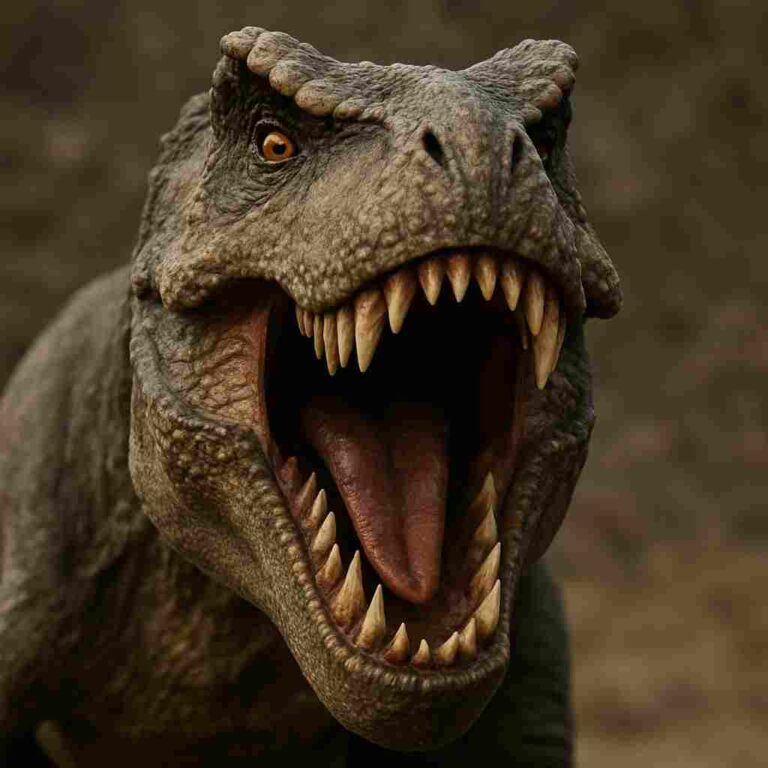
With teeth as large as bananas (up to 12 inches long), the Tyrannosaurus Rex is one of the most terrifying predators.
A smaller but lethal predator with curved, knife-like teeth is called a velociraptor.
A semi-aquatic predator that consumed fish, the spinosaurus used conical teeth to hold onto its slick prey.
Fun Fact: It’s possible that some carnivores, like the Allosaurus, were scavengers who stole kills from smaller predators.
Omnivorous Dinosaurs (Mixed Diet)
A few dinosaurs ate both plants and meat, similar to modern bears or pigs.
Examples:
Oviraptor – Likely ate eggs, small animals, and plants
Therizinosaurus – Had long claws for pulling down branches but may have also scavenged meat
How Many Calories Did Dinosaurs Eat?
To maintain their size, dinosaurs required enormous amounts of energy. Based on body mass and metabolic rates (warm-blooded versus cold-blooded), scientists calculate how many calories they consume.
A. Great herbivores, or sauropods, like the 85-ton Brachiosaurus, are thought to consume between 200,000 and 400,000 calories every day!
That’s 800 Big Macs a day!
15–20 tons of diplodocus required 90,000–150,000 calories.
How? They saved energy by grazing continuously without moving much thanks to their long necks.
B. Giganotosaurus and Tyrannosaurus Rexare examples of large carnivores. Nine tons of T. rex required between 40,000 and 100,000 calories a day.
It could survive for days or weeks on a single, substantial meal (such as a Triceratops).
Like a contemporary wolf, a 30-pound velociraptor consumes 1,000–2,000 calories every day.
Scavenging vs. Hunting: According to some paleontologists, T. rex was a scavenger that primarily used carcasses to save energy.
How Many Teeth Did Dinosaurs Have?
Depending on their diet, dinosaur teeth varied greatly. Some had only a handful of enormous teeth, while others had hundreds.
A. Hadrosaurs (duck-billed dinosaurs) have the most teeth—up to 1,400!
possessed dental batteries, which are rows of closely spaced teeth that continuously replaced one another.
B. Fewest Teeth: T. rex and other theropods (carnivores) have between 50 and 60 teeth, but each one is enormous and serrated.
The 64 conical teeth of the spinosaurus make it perfect for capturing fish.
C. The “Lawnmower Dinosaur,“ or Nigersaurus, has the strangest teeth. More than 500 teeth set up like a vacuum to remove plants
Tooth Replacement: Like sharks, many dinosaurs, particularly predators, had new teeth every few months.