
“Silent & Powerful: How Electric Dirt Bikes Are Revolutionizing Off-Roading”
Table of Contents
ToggleINTRODUCTION
Because electric vehicle technology is developing so quickly, the off-road motorcycle industry is changing dramatically. The way that riders experience trails, motocross tracks, and rough terrain is being transformed by electric dirt bikes, which are no longer a sci-fi idea. Both professional and amateur riders are increasingly choosing electric dirt bikes because of their zero emissions, instant torque, and low maintenance requirements.
TOPICS COVERED
What Sets Electric Dirt Bikes Apart?
The Main Advantages of Electric Dirt Bikes
1. Top Models of Electric Dirt Bikes for 2024
2. Obstacles and Restrictions
3. Electric Dirt Bikes’ Future
4. Is It Time to Make the Switch to Electric?
What Makes Electric Dirt Bikes Different?
High-performance electric motors driven by lithium-ion batteries take the place of conventional gasoline engines in electric dirt bikes. They don’t need complicated engine maintenance, fuel, or oil changes like traditional dirt bikes do. They differ in the following ways:
Smooth Power Delivery & Instant Torque
Electric motors provide 100% torque at zero RPM, enabling rapid acceleration without requiring gear changes. They are extremely responsive as a result, particularly in challenging off-road situations.
A Silent Process
The almost silent operation of electric dirt bikes is one of their main benefits. They are therefore perfect for riding in noisy places where gas-powered bikes may not be allowed.
Easy Upkeep
Only a battery, motor, and controller are required—no air filters, spark plugs, or oil changes. Long-term expenses are reduced and breakdowns are less frequent when there are fewer moving parts.
Eco-Friendly Performance
Zero exhaust emissions make electric dirt bikes a sustainable alternative, reducing the environmental impact of off-road riding.
2. Top Benefits of Electric Dirt Bikes
1. Reduced Operating Expenses
Recharge the battery instead of using gasoline.
Maintenance costs are lower when there are fewer mechanical components.
2. More Suitable for Novices
Simply twist and go—no clutch or gears to control.
Stalling is less likely when power is delivered smoothly.
3. Perfect for Riding Indoors and Out
Practice in backyards or even indoor tracks is made possible by quiet motors.
They are appropriate for urban settings because they emit no fumes.
4. High Performance The power of contemporary electric dirt bikes is comparable to that of 250cc gas bikes.
Handling and maneuverability are enhanced by lightweight designs.
5. Environmentally Aware Cycling
Cleaner trails and smaller carbon footprints are two benefits of zero emissions.
3. Leading Electric Dirt Bike Models in 2024
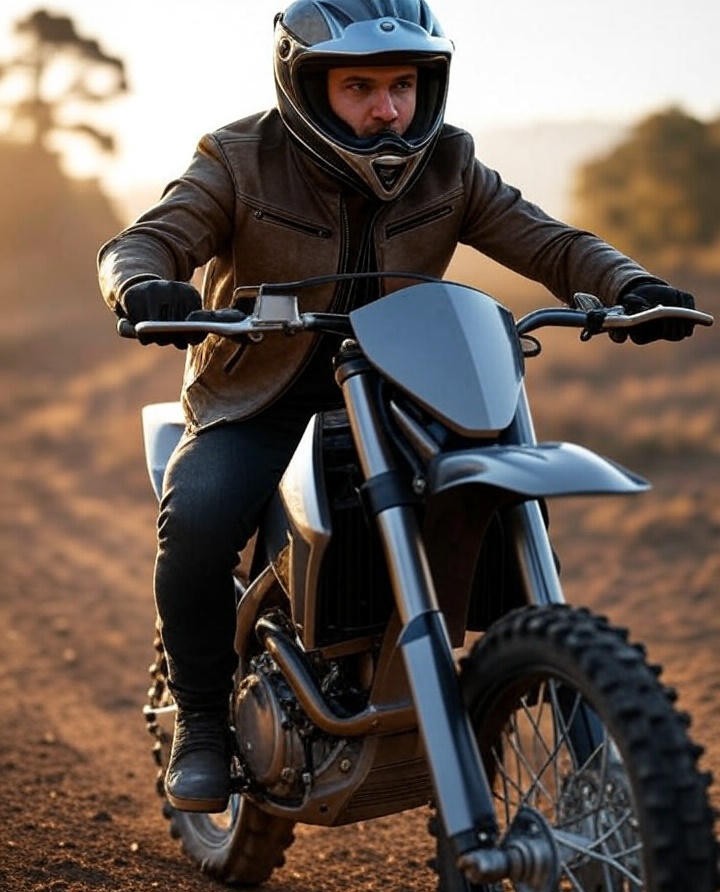
Here are some of the best electric dirt bikes available today:
1. Sur-Ron Light Bee X
Motor: 6,000W Mid-Drive
Top Speed: 45 mph
Range: 40-60 miles
Best For: Trail riding and light motocross
2. Zero FXE
Motor: Z-Force 75-7
Top Speed: 85 mph
Range: 100 miles (city)
Best For: Dual-sport and aggressive off-road riding
3. KTM Freeride E-XC
Motor: 18 kW (24 hp)
Top Speed: 50 mph
Range: 1.5 hours (hard riding)
Best For: Motocross and enduro
4. Stark Varg
Motor: 80 hp (equivalent to 450cc gas bike)
Top Speed: 60+ mph
Range: 6 hours (adjustable power modes)
Best For: Professional motocross racing
5. Segway Dirt eBike X260
Motor: 15 kW (peak)
Top Speed: 56 mph
Range: 75 miles
Best For: Adventure and trail riding
4. Challenges and Limitations
Despite their many benefits, electric dirt bikes still have certain drawbacks.
1. Restricted Range
Long trail adventures may be hindered by the fact that most electric dirt bikes only last one to three hours before needing to be recharged.
2. Time Spent Charging
Depending on the battery and charger, recharging can take one to four hours, as opposed to a quick gas refill.
3. Greater Initial Expense
Generally speaking, electric dirt bikes are more costly than their gas-powered counterparts; however, over time, the fuel and maintenance savings can make up for this.
4. Some riders experience a lack of sound.
The almost silent operation of electric bikes can seem less exciting to many riders who enjoy the roar of a gasoline engine.
5. Degradation of Batteries Over Time
After a few years of use, performance declines and eventually needs to be replaced, just like with all lithium-ion batteries.
5. The Future of Electric Dirt Bikes
The market for electric dirt bikes is changing quickly. What to anticipate in the upcoming years is as follows:
1. Faster Charging & Extended Battery Life
Solid-state battery developments could significantly increase range and shorten charging times.
2. More Reasonably Priced Models
Prices will probably decrease as production increases, enabling more riders to purchase electric dirt bikes.
3. Growth in Racing Leagues
Electric dirt bike racing is becoming more popular thanks to events like the FIM E-Xplorer World Cup.
4. Swappable and Hybrid Battery Systems
Quick-swap batteries are being tested by some manufacturers, enabling riders to bring extras for longer rides.
5. Smart Tech Integration
GPS tracking, ride analytics, and AI-assisted performance tuning are possible features of future models.
CONCLUSION
Electric dirt bikes are now a competitive, high-performing alternative to conventional gas-powered bikes rather than a niche market. They are revolutionizing off-road riding with features like instant torque, low maintenance, and environmentally friendly operation. Continuous improvements in battery technology and motor efficiency are rapidly narrowing the gap, even though issues like range and charging times still exist.
There has never been a better moment to think about switching to electric, regardless of your level of experience with trails or racing. Electrons are driving the dirt bike of the future!
About the Author